Understanding Integrated Modular Systems
Integrated Modular Systems (IMS) represent a revolutionary approach in the field of water treatment, significantly enhancing operational efficiency and performance across various applications. Combining multiple functional modules into a cohesive framework, IMS streamline processes while optimizing resource utilization. This innovative concept is especially relevant in the current landscape of environmental sustainability, where the need for effective water management solutions has never been more critical. When exploring options, Integrated Modular Systems provide comprehensive insights into advanced treatment solutions that cater to diverse water challenges.
What Are Integrated Modular Systems?
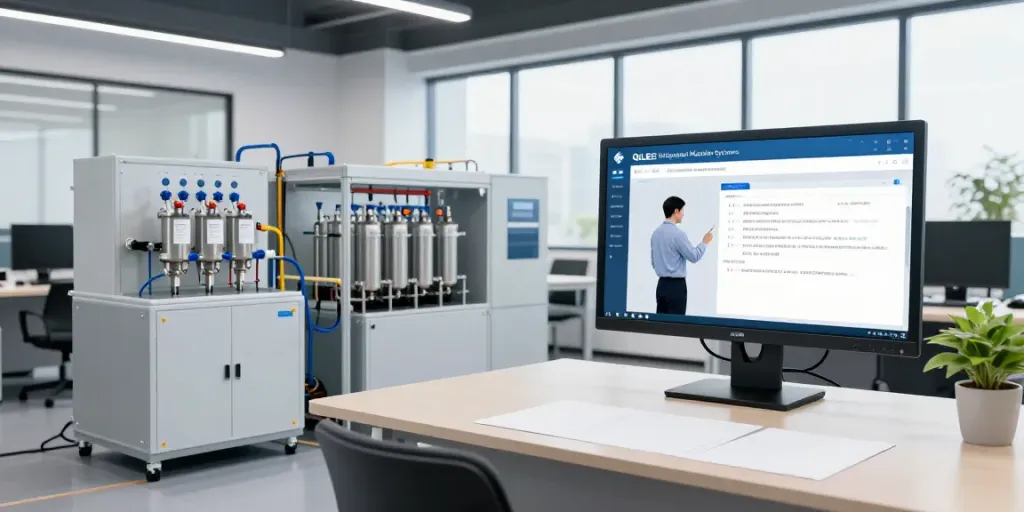
Integrated Modular Systems refer to the strategic assembly of various operational modules that work together to address specific needs. Each module is designed to perform a distinct function—such as filtering, chemical treatment, or sludge removal—allowing for customizable and scalable solutions tailored to meet unique requirements. This modular architecture enhances flexibility, allowing operators to adjust their systems as needs evolve while maintaining high levels of efficiency and performance.
Key Components of Integrated Modular Systems
- Integrated Membrane Water Treatment System: This system utilizes membrane technologies for the removal of impurities and contaminants from water, ensuring high-quality output.
- Chemical Treatment System: Designed for the precise application of chemicals to optimize the water treatment process, enhancing efficacy in disinfection and filtration.
- DAF Integrated Treatment System: The Dissolved Air Flotation (DAF) system effectively removes suspended solids and oils from wastewater, significantly improving clarity and purity.
- Sludge Dewatering Modular System: Capable of reducing the volume of sludge produced during treatment processes, this system facilitates easier disposal and minimizes environmental impact.
Common Applications in Water Treatment
The versatility of Integrated Modular Systems makes them applicable across a wide range of industries. From industrial wastewater treatment to municipal water purification, these systems are designed to tackle specific challenges effectively:
- Industrial Applications: Factories and manufacturing plants often produce wastewater laden with heavy metals and organic compounds. IMS can be tailored to address these unique pollutants while ensuring compliance with environmental regulations.
- Commercial Solutions: Restaurants and commercial kitchens greatly benefit from DAF systems, which effectively manage grease and food particles for cleaner discharge.
- Municipal Treatment: Cities utilize IMS to efficiently handle large volumes of wastewater, ensuring safe and reliable water treatment for their communities.
Benefits of QILEE's Integrated Modular Systems
Efficiency and Performance Advantages
One of the standout benefits of QILEE's Integrated Modular Systems is their ability to enhance efficiency and performance. By integrating various modular designs, facilities can optimize processes and reduce energy consumption significantly. For example, the DAF Integrated Treatment System combines high-performance flotation and chemical dosing in a compact structure, allowing for effective treatment without the need for extensive space or resources.
Cost-Effectiveness in Implementation
Implementing Integrated Modular Systems can lead to substantial cost savings over time. The modular design allows for phased installations, meaning facilities can scale operations based on demand without heavy upfront investment. Additionally, the efficiency gained through optimized processes often results in lower operational and maintenance costs, making IMS an economically viable solution for water treatment challenges.
Scalability for Various Water Treatment Needs
The scalability of Integrated Modular Systems is another significant advantage. As requirements change—whether due to increased production capacities or evolving regulations—operators can easily expand or modify their systems. This flexibility is crucial in a dynamic market where adaptability is key to sustaining operational success while remaining within budgetary constraints.
Real-World Applications of Integrated Modular Systems
Case Studies in Industrial Wastewater Treatment
Numerous industries have harnessed the power of Integrated Modular Systems to improve their wastewater treatment processes. One notable case involved a textile manufacturing plant, which implemented a custom IMS that integrated a Chemical Treatment System with a Sludge Dewatering Modular System. This customized solution greatly enhanced the facility's ability to manage dyes and chemicals, reducing their environmental footprint and improving regulatory compliance.
Commercial Applications and Success Stories
In the commercial sector, an upscale restaurant chain adopted QILEE’s DAF Integrated Treatment System, allowing them to manage kitchen wastewater more effectively. The system efficiently removes grease and solids before discharge, resulting in significant savings on municipal water treatment costs while ensuring compliance with local regulations.
Municipal Water Treatment Solutions
On a larger scale, municipalities have turned to Integrated Modular Systems to optimize their water treatment plants. A recent upgrade in a mid-sized city included the implementation of an Integrated Membrane Water Treatment System, resulting in improved water quality for residents and a substantial drop in operational costs. Such success stories underscore the immense potential of IMS in various applications.
Challenges and Misconceptions
Common Challenges in Implementation
Despite the clear advantages, some challenges accompany the implementation of Integrated Modular Systems. Stakeholders may face initial resistance to change, including concerns about compatibility with existing infrastructure. Moreover, the upfront investment required for modular systems may deter some organizations, despite potential long-term savings.
Debunking Myths about Modular Systems
There are several misconceptions about Integrated Modular Systems that can hinder their adoption. A common myth is that modular solutions lack robustness compared to traditional systems. In reality, these systems are designed for high performance and reliability, with many manufacturers, including QILEE, demonstrating proven success in challenging environments.
Best Practices for Overcoming Obstacles
To mitigate challenges, organizations should prioritize thorough planning and collaboration with experienced suppliers. Engaging in pilot projects before full-scale implementation can also help stakeholders identify potential issues and customize solutions for optimal performance. Ongoing training and support are essential to ensure staff are well-equipped to operate new systems efficiently.
The Future of Integrated Modular Systems
Emerging Trends in 2026 and Beyond
The future of Integrated Modular Systems is bright, with several emerging trends poised to shape the industry. As environmental regulations become more stringent, the demand for efficient and compliant water treatment solutions will continue to rise. Furthermore, advancements in IoT technology will enable better monitoring and control of modular systems, leading to enhanced operational insights and performance.
Technological Innovations Shaping the Industry
Technological innovations such as smart sensors and artificial intelligence are beginning to play significant roles in the deployment and operation of Integrated Modular Systems. These technologies allow for real-time data analysis, enabling proactive decision-making and minimizing downtime. As these innovations proliferate, they will further streamline processes and improve overall system efficiency.
Predictions for Market Growth and Demand
Market analysts predict substantial growth in the Integrated Modular Systems sector over the next decade. With increasing global awareness of water scarcity and pollution, demand for reliable and effective water treatment solutions will escalate. Manufacturers who can offer innovative and adaptable modular systems will likely capture significant market share, driving substantial business growth.
What is an example of a modular system?
An example of a modular system is a prefabricated water treatment unit that combines various treatment processes—such as sedimentation, filtration, and disinfection—into one compact installation. These systems can be easily transported and deployed, making them ideal for temporary or remote applications.
How much does a modular system cost?
The cost of a modular system can vary greatly depending on the specific design, size, and components included. However, the initial investment is often offset by reduced operational costs and improved efficiency over time.
What is modular integrated construction?
Modular integrated construction refers to the method of prefabricating building components off-site, which are then assembled on-site. This method shares principles with Integrated Modular Systems in that both emphasize efficiency and flexibility while reducing waste and construction time.
What is the difference between modular and integrated design?
While modular design focuses on the creation of standalone components that can be assembled in various configurations, integrated design emphasizes the seamless combination of these components into a unified system. Integrated Modular Systems exemplify this approach, combining modular elements to achieve enhanced performance and efficiency.
How do Integrated Modular Systems improve water treatment?
Integrated Modular Systems improve water treatment by streamlining processes, reducing energy consumption, and allowing for tailored solutions that meet specific needs. Their flexibility and scalability enable operators to adapt to changing demands, ensuring effective treatment while minimizing environmental impact.