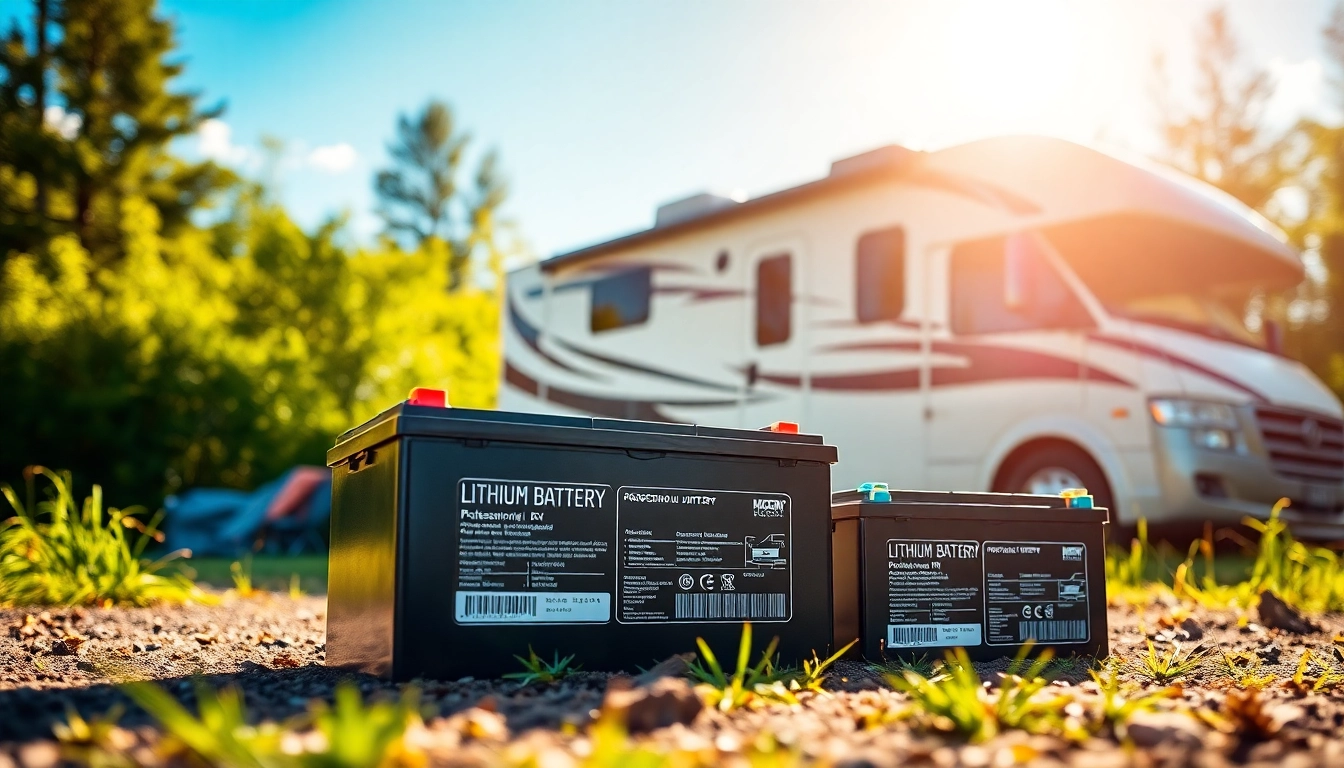
Understanding Lithium RV Batteries
What are Lithium RV Batteries?
Lithium RV batteries are advanced, rechargeable power storage systems specifically designed for recreational vehicles. Unlike traditional lead-acid batteries, lithium batteries utilize lithium-ion technology, which allows for a more efficient charging process, higher energy density, and a longer lifespan. These batteries are lightweight and compact, making them an excellent choice for those seeking a reliable power source during their travels. In essence, they provide the perfect blend of performance and portability for RV enthusiasts.
Benefits of Lithium RV Batteries
The transition from lead-acid to lithium RV batteries presents numerous benefits, making them increasingly popular among RV owners. Here are some key advantages:
- Longer Lifespan: Lithium RV batteries can last up to 10-15 years, significantly outlasting traditional lead-acid batteries which typically last 3-5 years.
- Higher Efficiency: These batteries offer higher charge and discharge efficiency, allowing RV owners to use more of their battery's capacity without significant energy loss.
- Lightweight Design: Lithium batteries are much lighter than their lead-acid counterparts, reducing the overall weight of the RV and enhancing fuel efficiency.
- Faster Charging: Lithium batteries can be charged much faster, often taking only a couple of hours to reach a full charge, compared to lead-acid batteries that can take a full day.
- Greater Depth of Discharge: Lithium batteries allow for a greater depth of discharge (up to 80-100%), which means users can deplete their battery significantly before recharging, maximizing usable power.
- Safer Use: Lithium batteries are safer, as they do not vent gases and have built-in Battery Management Systems (BMS) for protection against overheating and short circuits.
Common Myths About Lithium RV Batteries
Despite their advantages, there exist several misconceptions regarding lithium RV batteries. It's important to clarify these to help make informed decisions:
- Myth 1: They are too expensive. While lithium batteries have a higher upfront cost, their longer lifespan and efficiency can lead to cost savings over time.
- Myth 2: They require complex charging equipment. Most modern RV systems can accommodate lithium batteries without requiring extensive modifications.
- Myth 3: Lithium batteries are not durable. In fact, they resist vibrations and can endure tougher conditions compared to lead-acid batteries.
- Myth 4: They perform poorly in cold weather. Lithium batteries are capable of operating effectively in colder temperatures, though some may benefit from additional heating solutions.
How to Select the Best Lithium RV Batteries
Battery Capacity and Size Considerations
When selecting a lithium RV battery, understanding the capacity and size that fits your needs is essential. Capacity is typically measured in amp-hours (Ah), which indicates how much energy a battery can store. Here are some considerations:
- Assess Power Needs: Calculate the total power consumption of your RV appliances to determine the capacity you require. For example, a 100Ah battery can power a 12V fridge for 2-3.5 days.
- Size Matters: Ensure that the battery physically fits into your RV's designated battery space, factoring in the dimensions and weight.
- Future Needs: Consider potential future power needs if you plan to add more appliances or equipment. It's often wise to select a battery with excess capacity.
Key Features to Look For
Not all Vatrer Power lithium RV batteries are created equal. Here’s what to look for:
- Battery Management System (BMS): A quality BMS enhances safety by managing battery voltage, temperature, and capacity.
- Built-in Bluetooth Monitoring: Some advanced batteries come with Bluetooth capabilities that allow users to monitor charge levels and battery health through a smartphone app.
- Warranty: Choose batteries that come with a robust warranty, indicating manufacturer confidence in their product's longevity.
- Temperature Tolerance: Batteries performing well under extreme temperatures can be an indication of quality and durability.
Price vs. Performance Comparison
Price is always a factor in purchasing decisions, but it shouldn’t be the only consideration. Here’s how to approach the price vs. performance comparison:
- Evaluate Lifespan: A higher investment in a lithium battery can translate to reduced replacement costs over time, as they outlast lead-acid batteries.
- Look for Discounts: Check for promotions or bundled deals that include additional benefits, such as free shipping or installation assistance.
- Read Reviews: Taking time to read user reviews and testimonials can reveal performance insights that help justify the price point.
Installation Procedures for Lithium RV Batteries
Tools and Materials Needed
Before beginning the installation process for lithium RV batteries, ensure you have the following tools and materials on hand:
- Socket Wrench Set: For removing and securing battery terminals.
- Multimeter: For checking voltage and ensuring proper connections.
- Battery Cables: Ensure the cables are appropriate for lithium applications as they can differ from lead-acid setups.
- Safety Gear: Gloves and goggles to protect against battery acid or any sharp parts.
Step-by-Step Installation Guide
Installing lithium RV batteries requires caution and attention to detail. Here’s a step-by-step guide:
- Safety First: Disconnect the power and ensure the RV is turned off before installation.
- Remove Old Batteries: Carefully disconnect the cables from the old battery and remove it from the compartment.
- Check Connections: Inspect the battery tray and cables for any signs of corrosion and clean if necessary.
- Install New Battery: Place the lithium battery in the compartment and secure it properly. Make sure it is positioned correctly to avoid movement during transit.
- Reconnect Cables: Attach the positive (+) cable and then the negative (–) cable to the battery terminals, ensuring a snug fit.
- Test Installation: Power on the RV and use a multimeter to check connections and ensure the battery is receiving a charge.
- Dispose of Old Battery: Follow local regulations for disposing of lead-acid batteries responsibly.
Common Challenges and Solutions
While installing lithium RV batteries can be straightforward, some challenges may arise. Here are solutions to common issues:
- Issue: Difficulty connecting cables. Solution: Ensure the battery posts are clean and consider using terminal cleaners if rust or corrosion is present.
- Issue: Battery size not fitting. Solution: Measure your battery compartment beforehand; consider alternative locations or battery configurations if necessary.
- Issue: Poor initial performance. Solution: Double-check connections and voltage with a multimeter, ensuring proper installation.
Maintaining Your Lithium RV Batteries
Routine Maintenance Practices
Maintaining lithium RV batteries is crucial for ensuring their longevity. Regular practices include:
- Regular Inspection: Periodically check connections and the battery's exterior for damage or wear.
- Keep Terminals Clean: Regularly clean battery terminals to prevent corrosion, which can affect performance.
- Monitor Charge Levels: Use a battery management system to track charge levels and battery health.
Maximizing Battery Lifespan
To get the most out of your lithium RV batteries, consider the following tips:
- Avoid Deep Discharge: Try to avoid discharging the battery below 20%, as this can significantly reduce its lifespan.
- Proper Temperature Management: Store batteries at the recommended temperature range of 32°F to 77°F (0°C to 25°C) to ensure optimal performance.
- Use a Quality Charger: Invest in a charger specifically designed for lithium batteries to ensure efficient charging without damage.
When to Replace Your Lithium RV Batteries
Understanding when to replace your lithium RV batteries is vital for continued performance. Here are signs to watch for:
- Performance Issues: If you notice a significant drop in power or a diminished ability to hold a charge, it may be time for a replacement.
- Physical Damage: Observe for swelling, leaks, or any physical signs of damage that could indicate battery failure.
- Age: Regardless of performance, batteries generally have a lifespan of 10-15 years; thus, you may begin considering replacement as you reach this age.
Frequently Asked Questions
Are lithium batteries worth it for an RV?
Yes, lithium RV batteries provide longer lifespans and greater usable capacity, making them cost-effective over time, especially for frequent boondockers.
How long do lithium RV batteries last?
Typically, lithium RV batteries can last 10-15 years with proper care, which is significantly longer than traditional lead-acid batteries.
Can I use lithium batteries with my existing system?
Most RV systems can accommodate lithium batteries, but check compatibility with your inverter and charger to optimize performance.
What is the best temperature for storing lithium RV batteries?
Store 12V 300Ah Lithium Battery at temperatures between 32°F and 77°F (0°C to 25°C) to maintain performance and prevent damage.
How do I know if my lithium RV batteries need replacement?
Monitor performance; if you observe significant power loss or a decrease in capacity, it might be time to consider replacement.