Understanding Bed Bug Pest Control Basics
What Are Bed Bugs?
Bed bugs are small, reddish-brown insects that feed on the blood of humans and animals. They belong to the Cimicidae family and are typically found in places where people sleep, such as beds, couches, and even public transport. Adult bed bugs are about the size of an apple seed, while nymphs are much smaller and can be nearly transparent. Understanding their life cycle is crucial for effective bed bug pest control strategies.
Signs of an Infestation
Identifying a bed bug infestation early can minimize damage and discomfort. Common signs include:
- Red, itchy bite marks on the skin, often in a line or cluster.
- Small blood stains on bed sheets and mattresses.
- Dark spots of bed bug excrement on bedding and furniture.
- Presence of shed skins or eggs in hiding spots.
If you notice any of these indicators, it’s paramount to act quickly to prevent the infestation from spreading.
The Importance of Quick Action
Bed bugs can multiply rapidly; a single female can lay up to 500 eggs in her lifetime. Failure to address an infestation quickly can lead to significant discomfort, increased treatment costs, and a larger infestation area. Immediate action not only reduces the disruption to your life but also prevents the spread to neighboring units or homes. Integrated Pest Management (IPM) approaches combining various methods are often the most effective.
Effective Strategies for Bed Bug Pest Control
Prevention Methods
Implementing preventive measures is key to effective bed bug pest control. Here are essential steps you can take:
- Regularly inspect your sleeping area and belongings, especially after travel.
- Keep your home clutter-free, providing fewer hiding spots for bed bugs.
- Utilize bed bug-proof encasements on mattresses and box springs.
- Seal cracks and crevices in walls, floors, and furniture to block hiding spots.
- Use a protective cover over your luggage when traveling.
These proactive strategies can help minimize the risk of an infestation from becoming a serious issue.
DIY Bed Bug Pest Control Techniques
If you suspect a bed bug problem, DIY methods can be employed effectively alongside professional options. Some effective techniques include:
- Heat Treatment: Bed bugs cannot survive in extreme heat. Washing bed linens, clothes, and infested items in hot water and drying them on high heat can significantly reduce their numbers.
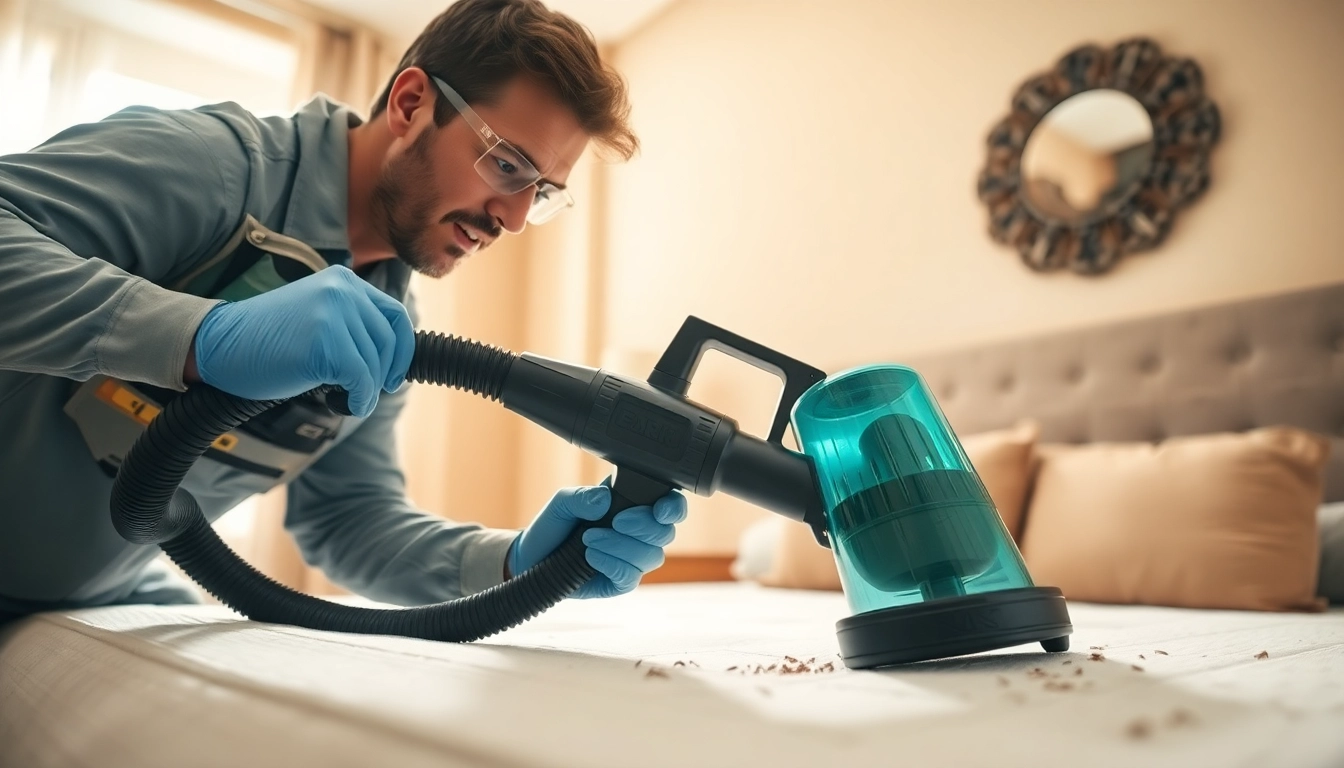
- Vacuuming: Regular vacuuming of carpets, rugs, and upholstered furniture can help remove bed bugs and their eggs.
- Steam Cleaning: Steaming infested items with a steam cleaner can kill bed bugs on contact. Ensure the steam reaches a temperature of at least 130°F (54°C).
- Diacarbonizing Agents: Using diatomaceous earth can help eliminate bed bugs by dehydrating them. Sprinkle it in affected areas, but be cautious while cleaning, as it can also harm beneficial insects.
While these home remedies can help, they are best used as complementary methods alongside more comprehensive solutions.
When to Seek Professional Help
In many cases, the best approach for serious infestations is to enlist the help of pest control professionals. It might be time to call in experts if:
- You are unable to effectively identify the extent of the infestation.
- DIY methods have not yielded satisfactory results.
- The infestation is extensive, placing a strain on your ability to manage it.
- Bed bugs have already begun to invade areas beyond your bedroom.
Professional pest control services utilize a combination of techniques, ensuring a thorough approach to eradicating bed bugs and minimizing the risk of re-infestation.
Common Misconceptions about Bed Bug Control
Bed Bugs Only Infest Dirty Homes
One major misconception is that bed bugs are only found in dirty or neglected homes. However, they can inhabit any environment, including clean, well-maintained spaces. Bed bugs hitch a ride on clothing, luggage, and furniture, making any home potentially susceptible to infestations regardless of its cleanliness.
Over-the-Counter Solutions Are Always Effective
Another misunderstanding is that over-the-counter products are sufficient for bed bug control. While these products can help in minor situations, they often lack the potency needed for substantial infestations. Many pests can develop resistance to common chemicals, which further complicates eradication efforts.
Bed Bugs Leave Visible Signs
Many people believe that bed bugs always leave visible signs, such as fecal spots or shed skins. In reality, these insects can reside in areas where they leave no trace, especially in the early stages of infestation. Therefore, routine inspections are essential, even if no signs are initially visible.
Cost of Bed Bug Pest Control Services
Factors Influencing Treatment Prices
When considering pest control, various factors influence the overall costs of treatment:
- The extent of the infestation (number of rooms affected).
- Geographic location and local market rates.
- Type of treatment method employed (heat treatment, chemicals, etc.).
- Experience and reputation of the pest control service.
A comprehensive assessment from a pest control professional can provide an accurate estimate based on your specific circumstances.
Cost-Effective Long-Term Solutions
While professional treatment can involve initial costs, investing in ongoing preventive measures can save money in the long run. Implementing routine inspections, installing encasements, and maintaining clutter-free spaces can prevent future infestations and associated costs.
What to Expect During Treatment
During a professional treatment, expect a multi-faceted approach that may include:
- Initial inspection to evaluate the level of infestation.
- Application of heat treatment, pesticides, or both.
- Instructions on preparing your home and what to do after treatment.
Communicate openly with your pest control professional about their methods and the timeline for complete eradication.
Future Trends in Bed Bug Pest Control
Innovations in Treatment Technologies
The pest control industry continually evolves with new technologies. Innovations such as smart traps and advances in pesticide formulations are helping to improve detection and extermination methods. Integrated systems that utilize both chemicals and physical removal techniques are gaining traction as they provide more effective results.
Integrating Eco-Friendly Solutions
With rising environmental concerns, many pest control companies are adopting eco-friendly practices. These methods can reduce chemical dependence while maintaining effective pest management strategies. Considerations include using organic pest control substances and introducing physical barriers that impede pest access.
Community Initiatives for Prevention
Communities worldwide are taking proactive steps to minimize bed bug infestations. Initiatives may include public education campaigns about prevention and what to do during an infestation. Such programs promote awareness and help communities collectively manage bed bug threats.
FAQs about Bed Bug Pest Control
1. What is the best pest control method for bed bugs?
The best method includes a combination of prevention, DIY techniques, and professional extermination when necessary. Regular inspections are also crucial.
2. How quickly do bed bugs reproduce?
Bed bugs can reproduce rapidly; a female can lay up to 12 eggs per day, leading to significant infestations in a short period.
3. Can I get rid of bed bugs myself?
While DIY methods can help manage minor infestations, it’s often best to consult professionals for persistent or significant infestations.
4. How can I prevent bed bugs when traveling?
To prevent bed bugs, inspect hotel rooms upon arrival, keep luggage off beds and floors, and wash clothes on hot settings after travel.
5. Are there eco-friendly products for bed bug control?
Yes, there are environmentally friendly pesticides and non-chemical methods like heat treatment and diatomaceous earth for effective control.