Understanding Treehouses: A Comprehensive Introduction
Treehouses have transitioned from mere childhood fantasies to luxurious retreats that provide unique experiences steeped in nature. As people seek more innovative ways to escape the hustle and bustle of modern life, the allure of treehouses has surged. Offering a blend of adventure and tranquility, these structures invite us to reconnect with the environment while indulging in comfortable amenities. This article dives into the enchanting world of treehouses, exploring their history, the benefits they bring to families, common misconceptions, and practical insights for designing the perfect treehouse.
What Are Treehouses and Their Origins?
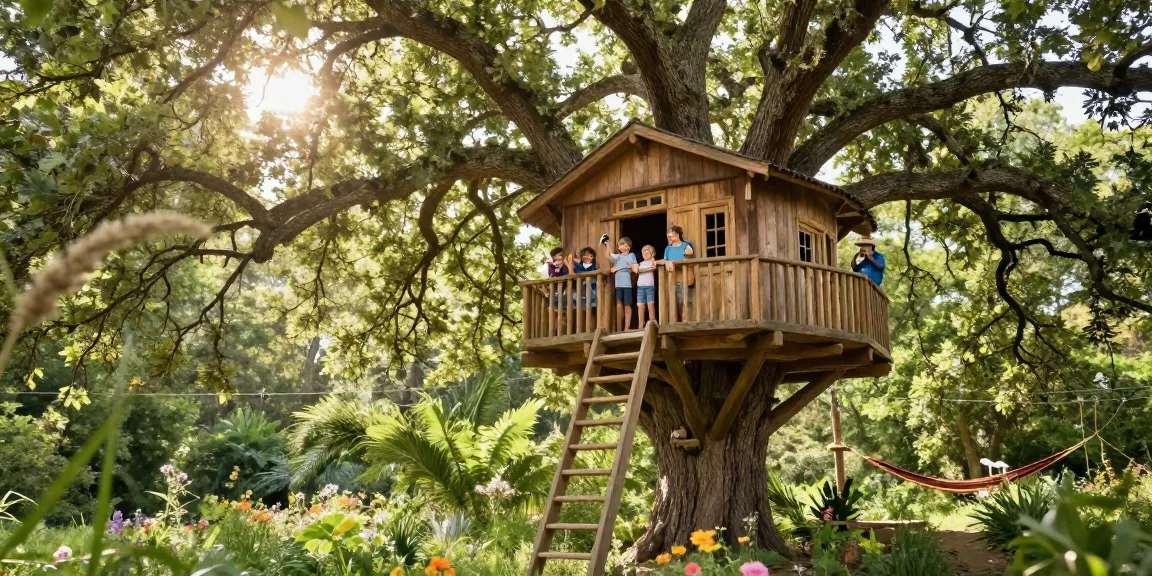
Treehouses are structures built among the branches of trees, usually designed as play spaces for children or retreats for adults. Their origins can be traced back to ancient times when tree dwellings offered sanctuary from predators and harsh weather. Various cultures have embraced the concept of treehouses, utilising them for different purposes—be it as lookout posts, places for gathering, or even homes. The revival of treehouses in contemporary architecture is often attributed to a growing interest in eco-tourism and sustainable living practices.
The Benefits of Treehouses for Family Bonding
In an age where families often find themselves preoccupied with technology and busy schedules, treehouses serve as a perfect antidote, offering a unique space for connection. Spending time in a treehouse encourages outdoor play and exploration, igniting creativity in children and prompting family bonding through shared activities. Whether it’s stargazing at night, playing games, or simply enjoying conversations surrounded by nature, treehouses create memorable experiences that strengthen familial ties.
Common Misconceptions About Treehouse Construction
Despite their charm, several misconceptions surround the construction of treehouses. Many believe that building a treehouse is overly complicated or requires extensive carpentry skills. However, modern designs offer simplified construction methods that can be tackled by DIY enthusiasts of all skill levels. Additionally, some might think that treehouses can only be built in rural areas or backyards with large trees, whereas creative building techniques can adapt to diverse landscapes, including urban settings.
Designing Your Ideal Treehouse: Practical Insights
Creating your dream treehouse involves thoughtful design that balances aesthetics, functionality, and safety. Beyond basic features, considering the environment and the intended use will enhance the overall experience. This section provides practical insights into essential features, optimal locations, and sustainable practices for treehouse design.
Essential Features to Include in Your Treehouse
When designing a treehouse, several essential features can elevate the functionality and comfort of the space:
- Safety Railings: Ensure that railings are present and of appropriate height to prevent falls.
- Weatherproofing: Use materials that withstand the elements, including rainproof roofing and treated wood.
- Ventilation: Incorporate windows and openings to ensure air circulation.
- Electrical Outlets: If planning to use electronic devices, include safe outlets for convenience.
- Storage Solutions: Designate spaces for storing games, books, or other playful items.
Choosing the Right Location and Trees
The location of your treehouse is paramount. Select trees that are sturdy, healthy, and capable of supporting the structure for years. Oaks, maples, and pines are popular choices due to their strong branches and longevity. Additionally, consider the surrounding environment and how the treehouse will harmonise with it—aim for locations that offer scenic views while ensuring you maintain privacy from neighbours.
Incorporating Sustainable Practices in Treehouse Design
As eco-consciousness rises, the importance of sustainability in construction has never been clearer. When designing a treehouse, consider using reclaimed wood or sustainable materials to reduce your carbon footprint. Installing solar panels can also provide renewable energy for lights and appliances, while rainwater collection systems can be implemented for irrigation or cleaning purposes, contributing to an eco-friendly retreat.
Construction Techniques: Making Your Vision a Reality
Building a treehouse can be a rewarding project, and understanding the construction techniques involved ensures that your vision becomes a reality. This section lays out a step-by-step guide to building your treehouse, along with tools and materials required, as well as key safety considerations.
Step-by-Step Guide to Building a Treehouse
The following steps provide a clear path to constructing your treehouse:
- Planning: Draft designs that detail dimensions and materials needed.
- Site Preparation: Clear the area around the chosen tree to ensure a safe workspace.
- Tree Selection: Choose a healthy tree with strong branches, ensuring it can bear the weight of the structure.
- Foundation: Create a stable platform using either a post-and-beam or a platform style that evenly distributes the weight.
- Wall and Roof Construction: Install walls and a roof using weather-resistant materials.
- Finishing Touches: Add features such as railings, ladders, and interior decorations to complete your treehouse.
Tools and Materials Needed for Construction
Having the right tools and materials is essential for a successful treehouse project. Basic tools include:
- Power drill
- Saw (hand or power)
- Measuring tape
- Level
- Safety gear (gloves, goggles)
In terms of materials, you’ll need robust timber for the framework, plywood for the walls, roofing materials, and screws or nails. Choosing quality products can make a significant difference in the longevity and durability of your treehouse.
Safety Considerations and Building Regulations
Safety should be a top priority during construction. Ensure that you adhere to local building codes which may require permits for treehouse construction. Regularly inspect the tree and structure for any signs of wear and perform maintenance to prevent accidents. Furthermore, consider the age of potential occupants; for example, adding features like safety nets or soft landings can help protect younger children.
Treehouse Rentals: Options for That Perfect Getaway
For those who dream of spending a night among the treetops without the hassle of building, treehouse rentals offer an ideal solution. They provide an opportunity to experience the unique charm of treehouses while enjoying the comforts of home. This section examines some of the top locations for treehouse rentals and what to expect during your stay.
Top Locations for Treehouse Rentals Across the US
The United States boasts numerous treehouse rentals, each offering unique experiences. For example:
- TreeHouse Point (Washington): Nestled in the woods, this location features several iconic treehouses available for rent.
- Cypress Valley (Texas): Known for its luxurious treehouses, this location offers stunning views and plenty of adventurous activities.
- Out N About Treesort (Oregon): This site features a variety of treehouse accommodations and outdoor activities, making it perfect for families.
What to Expect When Staying in a Treehouse
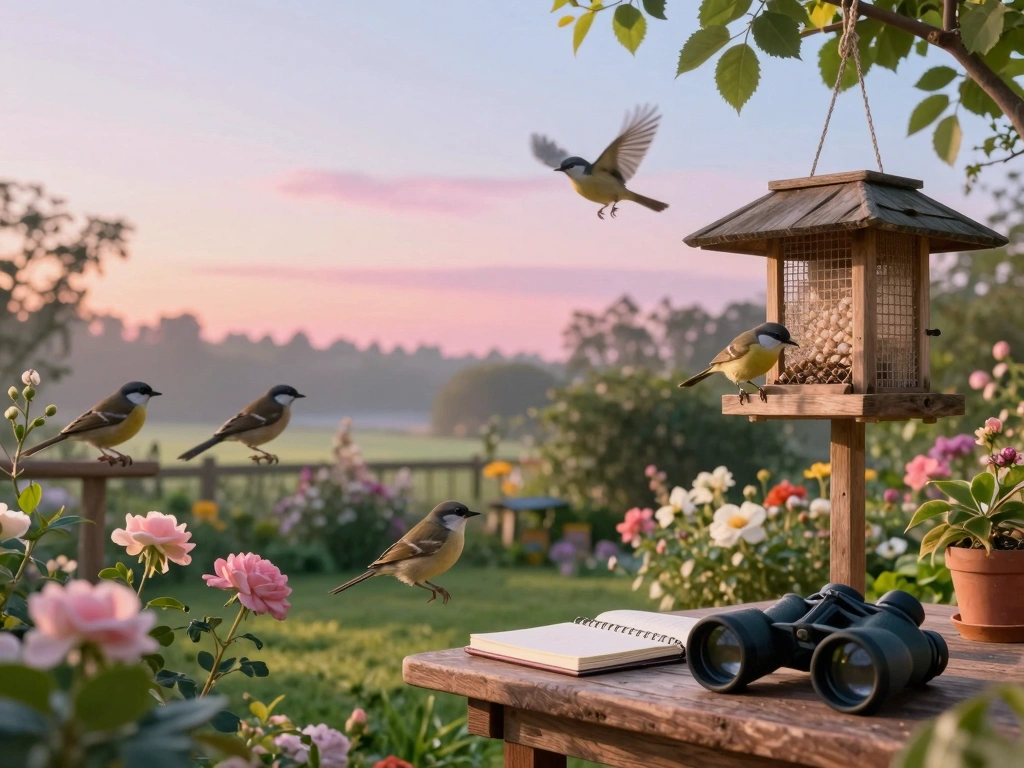
Staying in a treehouse is a unique experience, often far removed from traditional hotel stays. Expect to enjoy breathtaking views, the sounds of nature, and a sense of seclusion. Many rentals offer modern amenities while retaining the rustic charm that treehouses are known for. Prepare for an adventure by bringing outdoor gear like hiking supplies and binoculars for birdwatching.
Luxury Treehouses: An Overview of High-End Options
Luxury treehouses take the experience to another level, featuring upscale amenities such as hot tubs, gourmet kitchens, and expansive decking areas. These treehouses often cater to romantic getaways or special occasions. Some notable options include:
- Sonoma Treehouse (California): Offering stunning views of redwoods and luxurious accommodations.
- The Mohicans (Ohio): Known for their unique architectural designs and romantic appeal.
Staying in one of these opulent treehouses allows for a blend of adventure and comfort, making it an unforgettable experience.
The Future of Treehouses: Trends and Innovations
As we approach 2026, the treehouse industry is witnessing exciting trends and innovations that promise to enhance the charm and functionality of these unique structures. This section explores emerging designs, glamping trends, and the potential impact of treehouses on eco-tourism.
Emerging Designs and Technologies for 2026
Innovative designs are emerging, utilising technology to enhance the treehouse experience. From smart home systems that regulate temperature and lighting to designs incorporating eco-friendly materials, the possibilities are endless. Prefabricated kits are also gaining popularity, providing a more accessible option for would-be treehouse builders.
The Growing Popularity of Treehouse Glamping
Glamping—a combination of glamour and camping—is increasingly popular, allowing people to experience the outdoors without sacrificing comfort. Treehouse glamping sites often feature luxurious amenities like plush bedding, outdoor kitchens, and modern bathrooms, drawing in guests who seek a unique and comfortable way to connect with nature.
How Treehouses Can Benefit Eco-Tourism
As eco-tourism continues to thrive, treehouses play a pivotal role in promoting environmentally responsible travel. They often incorporate sustainable practices and encourage guests to engage with nature, thereby fostering an appreciation for the environment. Moreover, treehouses can serve as educational hubs, highlighting the importance of preserving natural habitats and biodiversity.
How much money does it cost to build a treehouse?
The cost of building a treehouse can vary significantly based on size, materials, and design complexity. Budget-conscious builders might spend as little as £1,000 for a basic structure, while high-end, fully-equipped treehouses can exceed £10,000.
Is it legal to build a treehouse in your backyard?
While treehouses can often be built legally in backyards, local zoning laws and regulations can vary. Always consult local authorities to ensure compliance with building codes.
How long do treehouses last?
With proper maintenance and regular inspections, treehouses can last for decades. Selecting durable materials and building them correctly will extend their lifespan significantly.
What is the best tree house ever?
The best treehouse can be subjective, as it depends on individual preferences. However, some highly-rated treehouses include those at Treehouse Point in Washington and the luxurious accommodations at Cypress Valley in Texas.
Can treehouses be built in urban areas?
Yes, treehouses can be built in urban areas, provided there is a suitable tree and compliance with local regulations. Urban treehouses can provide a peaceful retreat amidst the hustle and bustle of city life, offering a unique living experience.