1. Introduction to AI CCTV Monitoring
What is AI CCTV Monitoring?
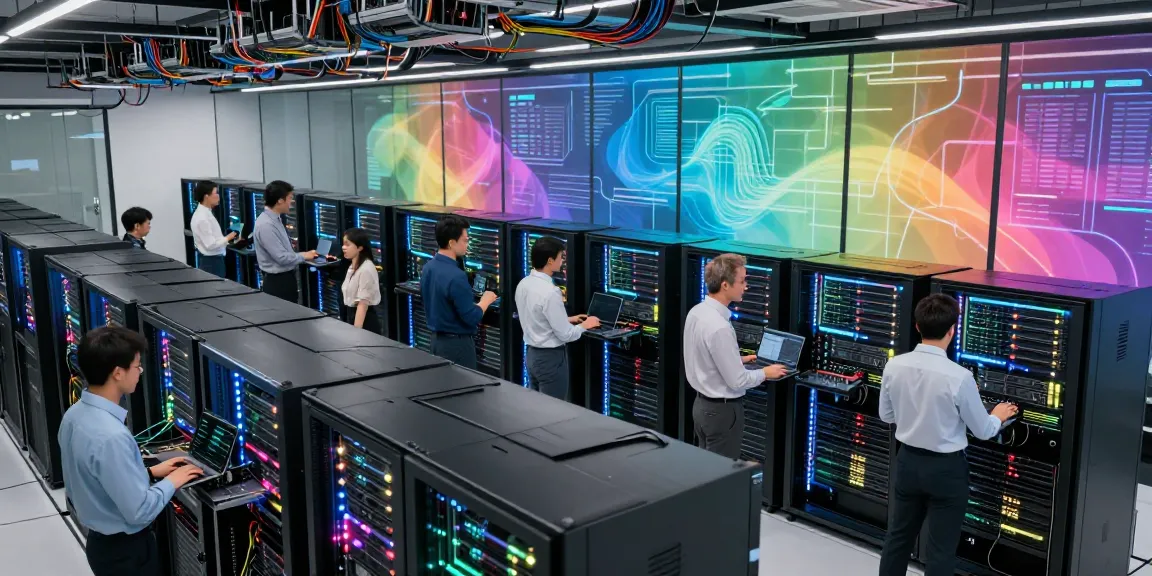
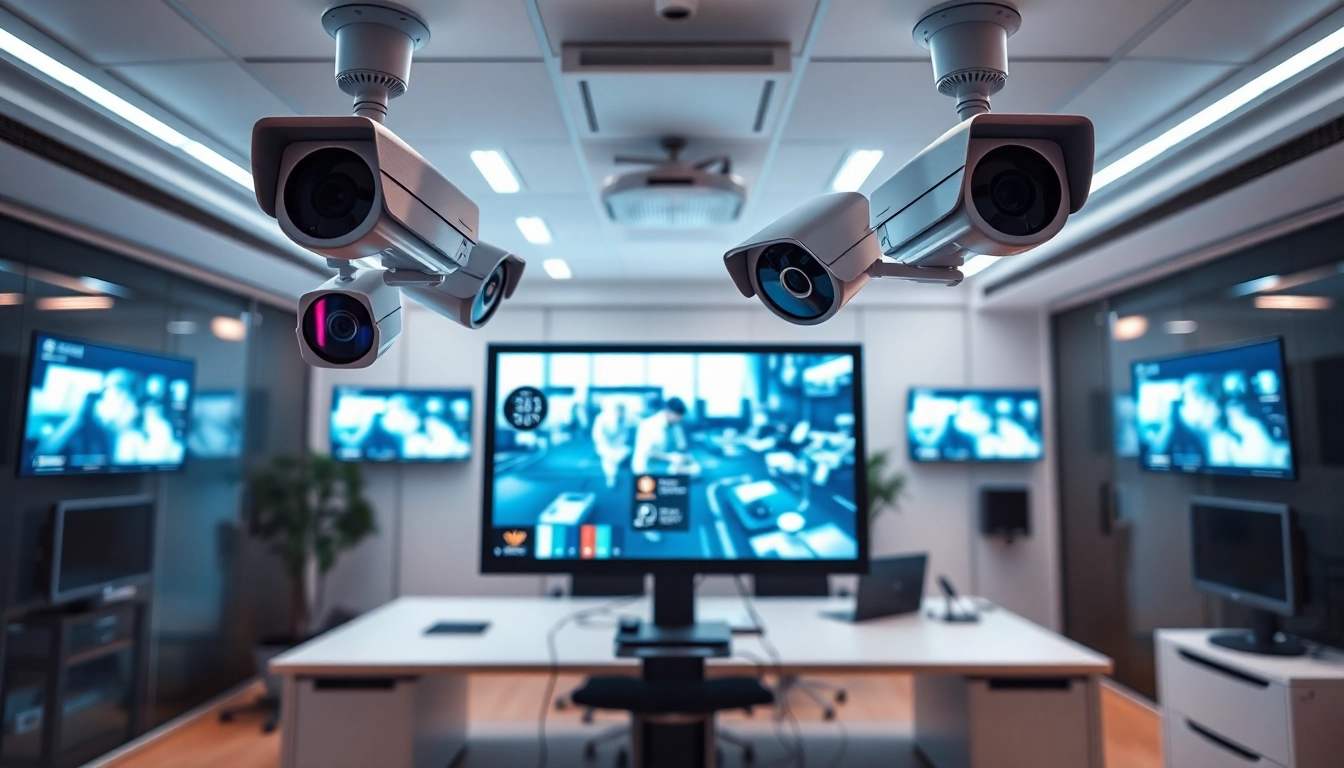
AI CCTV monitoring refers to the integration of Artificial Intelligence (AI) technologies with Closed-Circuit Television (CCTV) systems to enhance surveillance capabilities. This modern approach utilizes AI algorithms to analyze video footage in real-time, identifying unusual behavior, recognizing faces, and detecting specific events that may require immediate attention. Unlike traditional CCTV systems that primarily record video footage for later review, AI CCTV monitoring revolutionizes security by providing proactive monitoring and alerting mechanisms.
Importance in Modern Security
As security threats become increasingly sophisticated, the importance of effective surveillance systems has never been more pronounced. AI CCTV monitoring addresses this need by offering higher levels of accuracy and response time in detecting potential risks. The ability to analyze vast amounts of data quickly allows businesses, governmental entities, and even residential properties to maintain a safer environment. By adopting a AI CCTV monitoring system, organizations can mitigate risks, reduce false alarms, and manage incidents more efficiently.
Key Features and Technologies
- Facial Recognition: AI can analyze faces captured in video feeds, matching them against databases to identify individuals.
- Behavior Analysis: Advanced AI algorithms can detect unusual activities, such as loitering or aggressive behavior.
- Automated Alerts: The system can provide real-time notifications to personnel when specific events are identified.
- Integration with IoT: AI CCTV systems can communicate with other smart devices to enhance security responses.
- Historical Data Analytics: Analyzing past footage helps in predicting potential security breaches.
2. Benefits of AI CCTV Monitoring
Real-Time Data Analysis
One of the foremost benefits of AI CCTV monitoring is its capacity for real-time data analysis. This technology processes streams of video continuously, ensuring that security teams are alerted to potential threats as they unfold rather than after the fact. With a nearly instantaneous response capability, organizations can react much faster to incidents, thereby reducing the likelihood of damage or loss.
Improved Surveillance Accuracy
AI-enhanced systems significantly improve surveillance accuracy. Traditional systems rely heavily on human monitoring, which is subject to fatigue and distraction. In contrast, AI systems maintain constant vigilance and precision. Through machine learning, these systems continually evolve based on previous experiences, enhancing their ability to distinguish between normal and abnormal activities over time.
Cost Efficiency in Security Operations
While the initial investment in AI CCTV technology may be substantial, the long-term benefits often justify the expense. Automated surveillance reduces the need for extensive human monitoring, thereby cutting labor costs. Additionally, faster response times can decrease loss from theft, vandalism, or other security breaches. Moreover, data-driven analytics can inform better resource allocation, optimizing overall security investment.
3. Implementing AI CCTV Monitoring
Choosing the Right Equipment
To successfully implement AI CCTV monitoring, selecting the right equipment is crucial. Organizations should consider various factors such as video resolution, camera type (indoor vs. outdoor), connectivity options, and weather resistance. It’s essential to opt for camera systems that offer cloud storage solutions and are compatible with AI analytics software.
Installation Best Practices
Proper installation is vital for maximizing the effectiveness of AI CCTV systems. Cameras should be strategically placed to cover all critical areas without leaving any blind spots. Additionally, ensuring secure mountings and optimal height can reduce the risk of tampering or vandalism. Regular maintenance checks should be scheduled to ensure all cameras are functioning correctly and receiving adequate power and data connections.
Integrating with Existing Systems
Organizations often have pre-existing surveillance systems in place. Integrating new AI technology requires careful planning to ensure compatibility. Conducting a thorough assessment of current systems is necessary to understand what can be retained and what needs upgrading. Many AI solutions are designed to work alongside legacy systems, allowing organizations to enhance their security infrastructure without a complete overhaul.
4. Common Challenges and Solutions
Addressing Privacy Concerns
The deployment of AI CCTV monitoring raises significant privacy concerns, especially regarding data protection and surveillance ethics. To address these issues, organizations must comply with local regulations such as GDPR or CCPA. Implementing strict access control measures and ensuring data encryption both at rest and in transit can help safeguard against unauthorized access. Communicating openly with the community about surveillance practices builds trust and transparency.
Managing Data Storage and Security
With the vast amounts of data generated by AI CCTV monitoring systems, managing data storage becomes a critical challenge. Organizations should consider utilizing cloud-based storage solutions that offer scalable options tailored to growing data needs. Additionally, implementing regular data backups and maintenance ensures that critical footage is preserved while managing costs associated with storage.
Overcoming Technical Limitations
Technical limitations such as bandwidth constraints or outdated infrastructure can hinder the full implementation of AI CCTV solutions. Organizations must invest in robust network capabilities to support high-resolution video streaming and AI algorithms seamlessly. Consulting with technology experts can help define the necessary upgrades required to establish a fully functional system.
5. Future Perspectives in AI CCTV Monitoring
Emerging Technologies and Trends
The future of AI CCTV monitoring is poised for exciting advancements. Emerging technologies such as 5G connectivity will significantly enhance the speed and reliability of data transmission, enabling more sophisticated analytics in real-time. Developments in machine learning and deep learning are expected to further improve the accuracy of detection algorithms, making AI CCTV systems an indispensable tool for security management.
Regulatory Landscape and Compliance
As AI CCTV technology proliferates, the regulatory landscape is evolving to address its implications. Organizations must stay abreast of new legislation surrounding data privacy, surveillance practices, and ethical use. Proactive engagement with legal experts and compliance officers ensures adherence to regulations and can guide strategic decisions in surveillance practices.
Long-Term Impact on Security Practices
Over time, AI CCTV monitoring is likely to redefine security practices worldwide. The shift towards data-driven decision-making will lead to more efficient and effective security measures. Furthermore, as trust in AI systems increases, they will likely become standard across various sectors, including retail, transportation, and public safety. The focus will shift from merely monitoring to predictive analytics, leading to proactive security strategies.
FAQs about AI CCTV Monitoring
What are the key benefits of AI CCTV monitoring?
AI CCTV monitoring offers real-time data analysis, improved accuracy, and cost efficiency by automating surveillance tasks, allowing for quicker response times to incidents.
How does AI distinguish between regular and suspicious behavior?
AI utilizes machine learning algorithms that analyze patterns in video data, helping it recognize anomalies that may indicate suspicious activities.
What types of data can AI CCTV systems store?
AI CCTV systems typically store video footage, event notifications, facial recognition data, and historical analytics for performance assessment.
Are there privacy issues associated with AI CCTV monitoring?
Yes, privacy concerns include data protection and surveillance ethics. Compliance with regulations and transparent communication can help mitigate these issues.
Is it expensive to implement AI CCTV monitoring?
While initial setup costs can be high, the long-term savings from automated monitoring and reduced loss can lead to cost efficiency outweighing the investment over time.