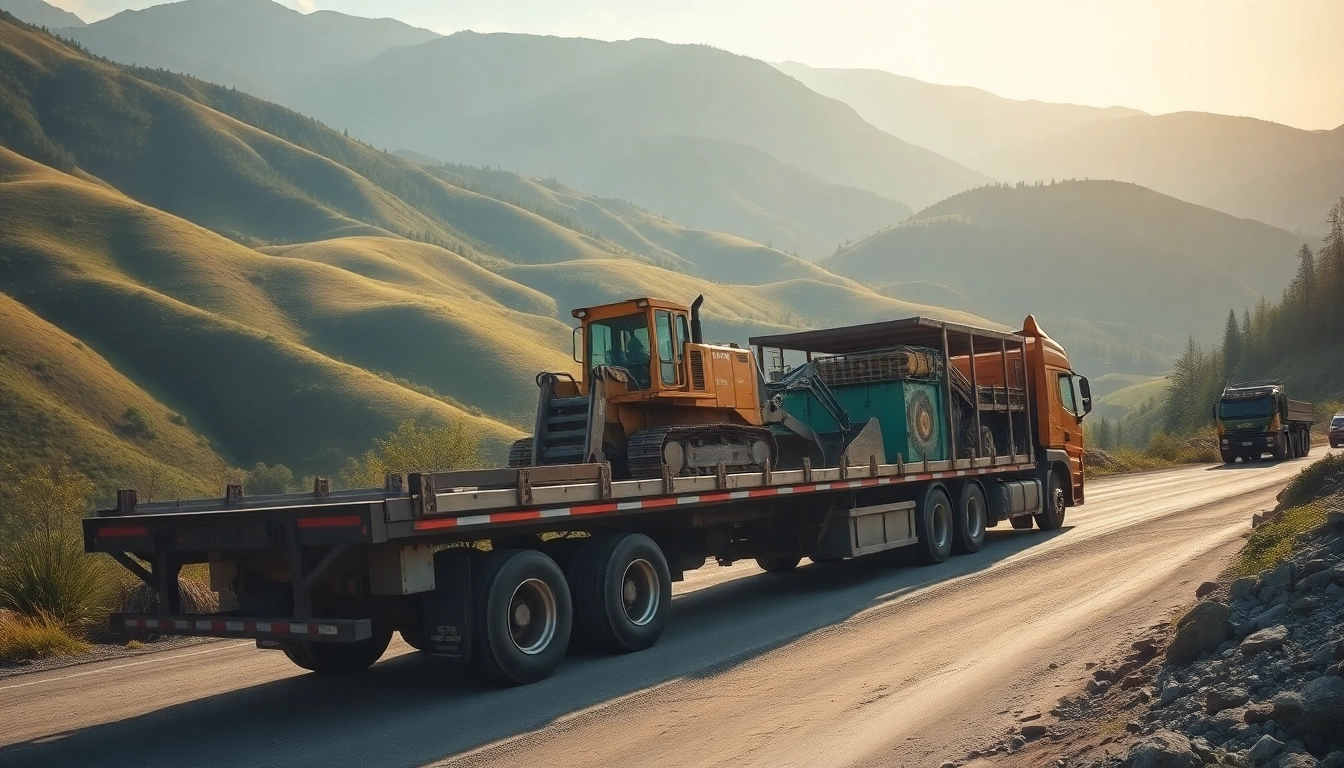
Introduction to Equipment Transport
In today's fast-paced industrial landscape, the movement of machinery and heavy equipment plays a pivotal role in various sectors, including construction, agriculture, and manufacturing. Equipment transport encompasses multiple strategies and logistics systems designed to ensure safe and timely delivery of such equipment. Understanding the nuances of this transportation process is essential for businesses seeking to optimize their operations and maintain competitive advantage.
What Is Equipment Transport?
Equipment transport refers to the logistics, methods, and processes involved in moving heavy machinery, vehicles, and specialized equipment from one location to another. This can include various forms of transportation, such as flatbed trucks, lowboys, and trailers designed specifically for heavy loads. The scope of equipment transport can range from local deliveries to cross-country shipments, making it a critical function in many industries.
The Importance of Efficient Transport
Efficient equipment transport is vital for businesses that rely on machinery to drive productivity. Timely delivery can reduce downtime, enabling projects to stay on schedule and within budget. Additionally, reliability in transportation ensures that companies can meet client demands promptly and can avoid the costs associated with delays. Therefore, establishing streamlined processes, effective logistics, and utilizing appropriate transport methods are indispensable for success.
Types of Equipment Frequently Transported
Various types of equipment are frequently transported, each requiring specific handling techniques. Commonly transported items include:
- Construction machinery (e.g., excavators, bulldozers, cranes)
- Agricultural equipment (e.g., tractors, plows, harvesters)
- Industrial machinery (e.g., generators, compressors, manufacturing equipment)
- Specialized vehicles (e.g., forklifts, scissor lifts, access platforms)
Key Considerations for Equipment Transport
Choosing the Right Transport Method
Selecting the appropriate transport method is critical for effective equipment transport. Factors to consider include the size and weight of the equipment, distance, and the delivery timeline. Common methods entail:
- Flatbed trucks: Ideal for transporting machinery that can be loaded onto a flat surface.
- Lowboy trailers: Suitable for low-profile vehicles and equipment that cannot be raised too high.
- Step deck trailers: Allow for taller loads while remaining compliant with height regulations.
- Enclosed trailers: Best for sensitive or valuable equipment requiring protection from the elements.
Understanding Regulations and Requirements
Regulatory compliance is fundamental in equipment transport. Different states and regions have specific laws governing the transportation of heavy machinery, including weight limits, permits, and safety regulations. It's essential to familiarize oneself with local regulations and to obtain any necessary permits to avoid fines and ensure smooth processes.
Cost Factors in Equipment Transport
Cost efficiency is a major consideration when planning equipment transport. Several factors influence costs, including:
- Distance of transport
- Weight and dimensions of the equipment
- Type of transport method utilized
- Specific insurance requirements and liability concerns
Businesses should evaluate these factors and seek multiple quotes to find economical solutions that meet their needs.
Best Practices for Safe Equipment Transport
Preparing Equipment for Transport
Proper preparation is key to preventing damage during transportation. This includes securing loose parts, draining fluids, and ensuring that all machinery is compliant with size and weight regulations. Additionally, having a checklist can help ensure all necessary steps are followed.
Selecting a Reliable Transport Provider
Choosing a reliable transport provider is essential for a successful equipment transport operation. Businesses should conduct thorough research, read reviews, and check the carrier's compliance with regulations and insurance coverage. Establishing clear communication and understanding timelines also facilitate successful transportation.
Tracking Shipments Effectively
Effective shipment tracking is crucial for managing logistics and anticipating delivery times. Many modern transport providers offer GPS tracking capabilities that allow companies to monitor the location of their equipment in real time. Consistent updates and communication from the transport provider can ease concerns and enhance overall efficiency.
Challenges in Equipment Transport
Dealing with Over-Sized Equipment
Transporting oversized equipment presents unique challenges, including route planning to avoid low bridges, tight turns, and weight-restricted roads. It may require special permits and coordination with local authorities to ensure compliance. Understanding these considerations in advance can alleviate potential problems.
Weather Impacts on Transport
Weather conditions can significantly impact equipment transport timelines and safety. Adverse weather such as rain, snow, or extreme heat requires careful planning and contingencies to protect the equipment and mitigate delays. It’s advisable to monitor weather forecasts and remain flexible with scheduling.
Managing Delays and Scheduling Issues
Delays can arise from various factors, including equipment malfunctions, traffic issues, and unforeseen circumstances. Establishing a buffer in scheduling can help manage expectations and allow for any necessary adjustments. Communication with all parties involved is essential to minimize disruption to projects.
Future of Equipment Transport
Emerging Technologies in Transport
Look towards the future, and the equipment transport sector is evolving due to emerging technologies. Innovations such as drones, automated vehicles, and advanced logistics software are set to reshape how equipment is transported. These technologies promise increased efficiency, heightened safety, and reduced labor costs.
Sustainability Practices in the Industry
With a growing emphasis on sustainability, equipment transport is also evolving. Companies are finding ways to minimize their carbon footprint through route optimization and the use of electric vehicles. Sustainable practices not only benefit the environment but can also enhance a company's image in the eyes of consumers.
Market Trends and Predictions
The equipment transport market is expected to grow in the coming years, driven by increasing infrastructure projects and advancements in technology. As the demand grows, logistics providers will need to adapt to changing client expectations, improve operational efficiency, and embrace innovative solutions to stay competitive.
FAQs
What types of equipment can be transported?
Heavy machinery, vehicles, industrial tools, and specialized equipment such as cranes, tractors, and forklifts can be transported.
How do I choose the right transport provider?
Research potential providers, check reviews, confirm compliance with regulations, and assess their communication and insurance policies before selecting one.
What permits are required for transporting equipment?
Permits vary by region and may include oversize load permits and weight permits; consult local regulations for specific requirements.
How can I minimize delays in equipment transport?
Plan ahead with buffer time in scheduling, maintain clear communication with the provider, and monitor weather conditions to manage transport effectively.
What technologies are changing equipment transport?
Innovations like GPS tracking, automated logistics systems, and potentially drones are reshaping equipment transport by enhancing efficiency and visibility.
Contact Information
Call Us: 4062607988Address: 3906 MT-40, Columbia Falls, MT 59912